Understanding Bunions and When Surgery May Be Needed

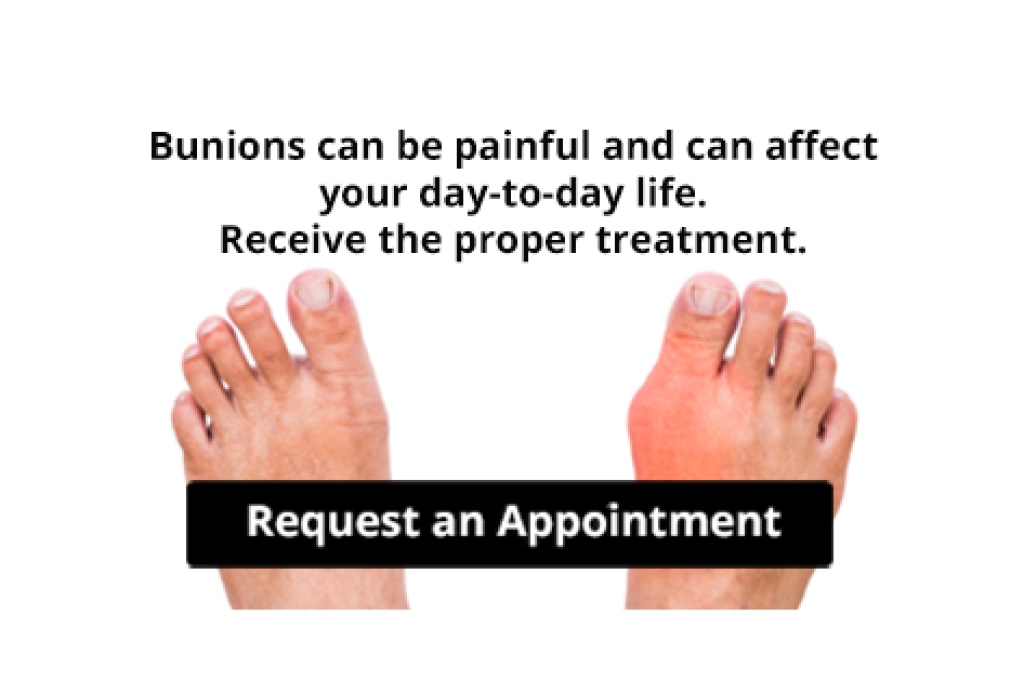
A bunion is a bony bump that forms on the joint at the base of the big toe, as the top of the toe leans inward. It may appear red, swollen, and feel painful or stiff, especially when walking or wearing tight shoes. Common causes include inherited foot structure, arthritis, or wearing narrow footwear. Symptoms range from mild discomfort to persistent pain, limited movement, and visible deformity. A podiatrist can diagnose a bunion through a physical exam and X-rays. Non-surgical treatments include custom orthotics, padding, anti-inflammatory medication, or shoe modifications to relieve pressure. If conservative methods fail and pain interferes with daily life, surgery may be considered. Surgical benefits include pain relief and improved foot alignment, but risks may include infection, nerve damage, or a lengthy recovery. Every case is unique, and a podiatrist can help determine the best course of action. It is suggested that you make an appointment with a podiatrist for proper evaluation and care.

If you are suffering from bunion pain, contact Warren Levy, DPM of Armitage Podiatry Center. Our doctor can provide the care you need to keep you pain-free and on your feet.

What Is a Bunion?

Bunions are painful bony bumps that usually develop on the inside of the foot at the joint of the big toe. As the deformity increases over time, it may become painful to walk and wear shoes. Women are more likely to exacerbate existing bunions since they often wear tight, narrow shoes that shift their toes together. Bunion pain can be relieved by wearing wider shoes with enough room for the toes.

Causes

  • Genetics – some people inherit feet that are more prone to bunion development
  • Inflammatory Conditions - rheumatoid arthritis and polio may cause bunion development

Symptoms

  • Redness and inflammation
  • Pain and tenderness
  • Callus or corns on the bump
  • Restricted motion in the big toe

In order to diagnose your bunion, your podiatrist may ask about your medical history, symptoms, and general health. Your doctor might also order an x-ray to take a closer look at your feet. Nonsurgical treatment options include orthotics, padding, icing, changes in footwear, and medication. If nonsurgical treatments don’t alleviate your bunion pain, surgery may be necessary.

If you have any questions, please feel free to contact our office located in Chicago, IL . We offer the newest diagnostic and treatment technologies for all your foot care needs.
Read more about Bunions

Are Bunions Affecting Your Everyday Life?

Have you noticed a bony protrusion on the side of your big toe? If so, you may have developed the foot condition known as a bunion. Don't let bunions interfere with your daily activities.

Improving Circulation in Your Legs

Circulation describes the movement of blood throughout the body. Having good circulation in your legs and feet is essential for good health, but sometimes our circulation can deteriorate as we age or can become worse due to certain medical conditions. Fortunately, there are things that you can do to improve circulation throughout your body. Doing light exercises, such as walking and stretching, increases blood flow throughout the body and can lower your blood pressure. Sitting in a position that does not cut off circulation to your legs is also very important. Try sitting in a chair with your legs spaced slightly apart and your feet on the floor rather than sitting cross legged. If you are a smoker, quitting can improve both your overall health and your circulation. If you have poor circulation in your lower limbs, it is recommended that you consult a podiatrist for treatment.

Poor circulation is a serious condition and needs immediate medical attention. If you have any concerns with poor circulation in your feet contact Warren Levy, DPM of Armitage Podiatry Center. Our doctor will treat your foot and ankle needs.

Poor Circulation in the Feet

Poor blood circulation in the feet and legs is can be caused by peripheral artery disease (PAD), which is the result of a buildup of plaque in the arteries.

Plaque buildup or atherosclerosis results from excess calcium and cholesterol in the bloodstream. This can restrict the amount of blood which can flow through the arteries. Poor blood circulation in the feet and legs are sometimes caused by inflammation in the blood vessels, known as vasculitis.

Causes

Lack of oxygen and oxygen from poor blood circulation restricts muscle growth and development. It can also cause:

  • Muscle pain, stiffness, or weakness 
  • Numbness or cramping in the legs
  • Skin discoloration
  • Slower nail & hair growth
  • Erectile dysfunction

Those who have diabetes or smoke are at greatest risk for poor circulation, as are those who are over 50. If you have poor circulation in the feet and legs it may be caused by PAD and is important to make changes to your lifestyle in order to reduce risk of getting a heart attack or stroke. Exercise and maintaining a healthy lifestyle will dramatically improve conditions.

As always, see a podiatrist as he or she will assist in finding a regimen that suits you. A podiatrist can also prescribe you any needed medication. 

If you have any questions, please feel free to contact our office located in Chicago, IL . We offer the newest diagnostic and treatment technologies for all your foot care needs.

Read more about Causes Symptoms and Treatment for Poor Circulation in the Feet

What Causes an Ingrown Toenail?

Ingrown toenails develop when the corner or edge of a toenail grows into the skin beside it, most often affecting the big toe. Several factors can contribute to the formation of ingrown toenails. Trimming toenails too short or curving them at the edges can direct the nail into the skin. Naturally curved or thickened nails may also increase the risk. Shoes that are too tight or narrow can compress the toes and force the nail edges downward. Repeated toe injuries, such as stubbing or dropping a heavy object on it, also may trigger the problem.  Additionally, sweaty feet and prolonged athletic activities, especially sports that involve kicking or pressure on the toes, can make ingrown toenails more likely. When left untreated, pain, swelling, and infection can occur. A podiatrist can evaluate the severity of the ingrown toenail and provide treatment, which may include nail correction or surgery, if necessary. If you are experiencing pain around your toenails, it is suggested that you schedule an appointment with a podiatrist for an evaluation and appropriate treatment.

Ingrown toenails can become painful if they are not treated properly. For more information about ingrown toenails, contact Warren Levy, DPM of Armitage Podiatry Center. Our doctor can provide the care you need to keep you pain-free and on your feet.

Ingrown Toenails

Ingrown toenails occur when a toenail grows sideways into the bed of the nail, causing pain, swelling, and possibly infection.

Causes

  • Bacterial infections
  • Improper nail cutting such as cutting it too short or not straight across
  • Trauma to the toe, such as stubbing, which causes the nail to grow back irregularly
  • Ill-fitting shoes that bunch the toes too close together
  • Genetic predisposition

Prevention

Wearing proper fitting shoes and using proper cutting techniques will also help decrease your risk of developing ingrown toenails.

Treatment

Ingrown toenails are a very treatable foot condition. In minor cases, soaking the affected area in salt or antibacterial soaps will not only help with the ingrown nail itself, but also help prevent any infections from occurring. In more severe cases, surgery is an option. In either case, speaking to your podiatrist about this condition will help you get a better understanding of specific treatment options that are right for you.

If you have any questions, please feel free to contact our office located in Chicago, IL . We offer the newest diagnostic and treatment technologies for all your foot care needs.

Read more about Ingrown Toenail Care

Understanding Edema During Pregnancy

Edema, the medical term for swelling, is caused by excess fluid trapped in the body’s tissues, most commonly affecting the feet, ankles, and legs. During pregnancy, edema is often the result of hormonal changes, increased blood volume, and the growing uterus, which places pressure on blood vessels, slowing circulation. While mild swelling is common, significant or sudden edema can increase risks of discomfort, reduced mobility, or, in rare cases, indicate more serious conditions like preeclampsia. A podiatrist can provide supportive care by recommending proper footwear, compression options, and safe strategies to reduce swelling and maintain comfort. If you are experiencing persistent foot pain or swelling during pregnancy, it is suggested that you consult a podiatrist who can offer effective relief and management tips. 

Pregnant women with swollen feet can be treated with a variety of different methods that are readily available. For more information about other cures for swollen feet during pregnancy, consult with Warren Levy, DPM from Armitage Podiatry Center. Our doctor will attend to all of your foot and ankle needs.

What Foot Problems Can Arise During Pregnancy?

One problem that can occur is overpronation, which occurs when the arch of the foot flattens and tends to roll inward.  This can cause pain and discomfort in your heels while you’re walking or even just standing up, trying to support your baby.  

Another problem is edema, or swelling in the extremities. This often affects the feet during pregnancy but tends to occur in the later stages. 

How Can I Keep My Feet Healthy During Pregnancy?

  • Wearing orthotics can provide extra support for the feet and help distribute weight evenly
  • Minimize the amount of time spent walking barefoot
  • Wear shoes with good arch support
  • Wear shoes that allow for good circulation to the feet
  • Elevate feet if you experience swelling
  • Massage your feet
  • Get regular, light exercise, such as walking, to promote blood circulation to the feet

If you have any questions, please feel free to contact our office located in Chicago, IL . We offer the newest diagnostic and treatment technologies for all your foot care needs.

Read more about Foot Care for Pregnant Women

Connect With Us

Advanced Podiatric Procedures & Services in the Cook County, IL: Chicago (Cicero, Evanston, Skokie, Berwyn, Oak Park, Park Ridge, Niles, Morton Grove, Elmwood Park, Melrose Park, Maywood, Norridge, Forest Park) areas